The Short Answer
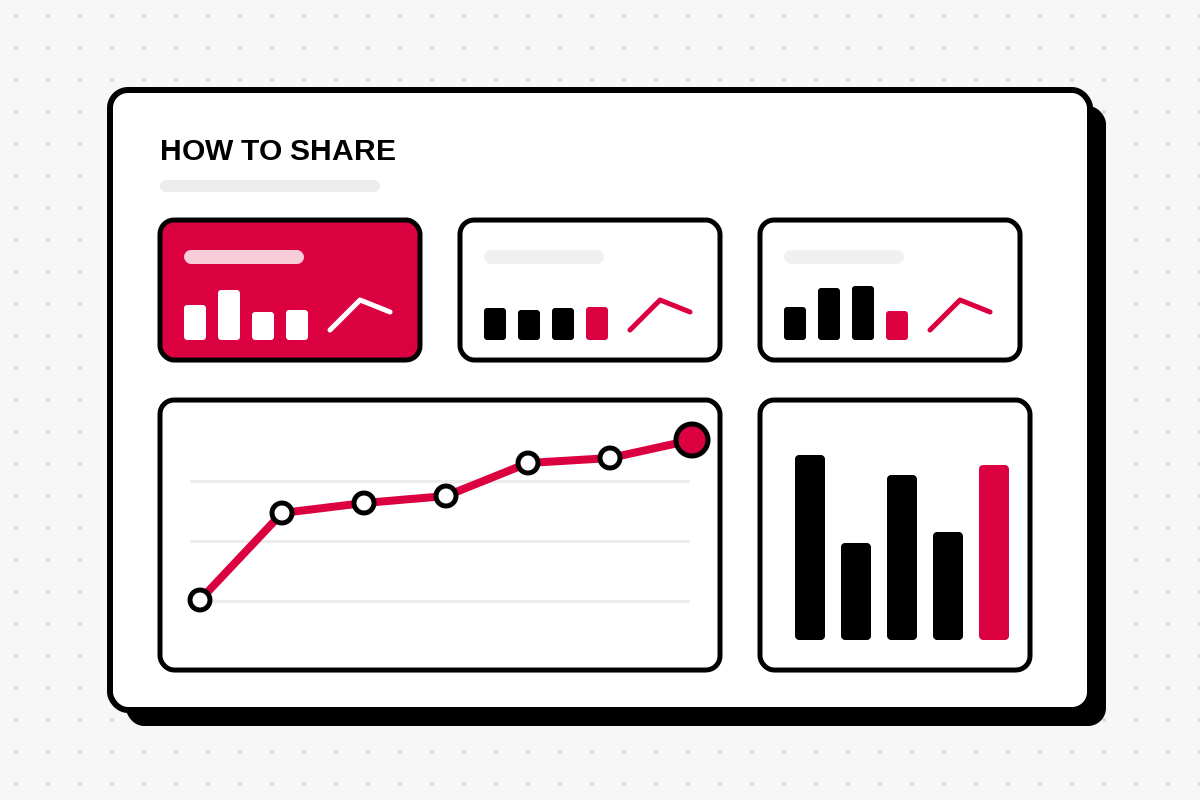
Share unit economics as a range, with the costs included and the assumptions written down. Show what a typical outlet costs to set up, what it earns after rent, salaries and royalties, and how long it takes to recover the investment, including the outlets that did worse than average.
This protects you more than silence does. Investors are being told to ask for these numbers and to walk away from brands that refuse. A franchisor who shares an honest range filters out people who cannot afford the format and earns the trust of those who can.
Hiding the numbers does not hide the risk. It only moves the doubt to the first investor who asks and does not get an answer.
Why Silence Now Costs You Investors
Franchise advice written for Indian investors is blunt about this. One franchise listing platform tells investors to ask for outlet-level net profit after rent, salaries, royalties and local marketing, not just revenue or gross margin. It tells them to ask for best-case, median and worst-case ranges, and to pause and reconsider if a franchisor resists transparency.
The same advice tells investors to speak privately with existing franchisees, visit outlets without notice, and spend months on checks before signing. It describes agreements as the document that defines the investor's downside, and advises a review by a franchise lawyer.
There is a reason for this caution. In February 2026, a report from Hyderabad described a franchise scam case in which 29 people were said to have lost about ₹3.27 crore. Families who put savings into a franchise read stories like that and ask harder questions.
So an investor who meets your brand today is already carrying a checklist. If your team cannot answer the first money question, the investor notes it and moves on to the next brand.
What Franchisors Fear, and What Is Really at Risk
Franchisors have real reasons to hesitate. They are worth taking seriously, and each has an answer.
| The fear | What is really at risk | How to handle it |
|---|---|---|
| The numbers will scare investors away | You lose people who could never afford the format anyway | Show ranges with all costs included. Serious investors prefer real numbers to attractive ones |
| An investor will treat the figures as a promise | Legal and reputational trouble if an outlet earns less | Label figures as past results, state assumptions and never promise returns |
| Competitors will see our margins | Some insight leaks to rivals | Share detail with qualified investors after a first conversation, and keep a summary public |
| Our outlets vary a lot | A single average hides weak outlets | Show the spread, best, typical and weakest, and explain why they differ |
| Some outlets lost money | Investors may find out anyway, from franchisees they call | Explain what went wrong and what you changed. Honesty about failure builds credibility |
The same franchise advice lists guaranteed returns and unrealistic promises among the reasons investors lose money. A brand that avoids them looks different from the first minute.
What to Share: A Practical List
You do not need to publish your books. You need a consistent, honest summary that your team can explain and that holds up when an investor checks it. Prepare these items.
- ✓Total investment for a typical outlet, split into franchise fee, setup, equipment, deposits and working capital, so no cost appears later as a surprise
- ✓Typical monthly revenue as a range, for outlets that have run for a stated time, such as 12 months or more
- ✓Running costs: rent, salaries, royalties, marketing contributions, utilities and supplies
- ✓Net profit for the owner after all those costs, shown as best, typical and weakest cases
- ✓Time to recover the investment, shown as a range, and the cash the owner needs to carry before the outlet turns profitable
- ✓How many outlets are running, how many opened in the last year and how many closed, with reasons
- ✓The support you give: training, site selection, opening help, supply and ongoing field visits
Keep a single sheet that your sales team uses for every conversation. When every investor hears the same numbers, nobody feels they got a different story from another visitor.
How to Present the Numbers Safely and Clearly
The way you present the numbers matters as much as the numbers themselves.
- 1Describe results as what outlets achieved in the past, with the period, the type of location and the assumptions. Do not write them as what a new owner will earn.
- 2Show a range and a spread, not a single flattering average. Say why outlets differ, such as location, owner involvement and rent.
- 3Include a conservative case and tell investors to plan their cash for it. The franchise advice cited above suggests investors build a cautious cash-flow model of at least 18 months.
- 4Add a short note that results vary and that the investor should check the figures with existing franchisees and their own adviser.
- 5Have your lawyer review the wording, the agreement and how your materials describe earnings before they go out. Rules and advice on franchise disclosure change, so confirm what applies to you.
Then back the numbers with proof the investor can check. Give them outlet addresses, offer a visit, and arrange calls with existing franchisees. A figure that an investor confirms in a phone call is worth more than ten polished slides.
When to Share Which Level of Detail
You do not have to give everything on the first day. Releasing detail in stages respects both your confidentiality and the investor's need to check.
- ✓On your franchise page: the investment range, the support model and an honest outline of how outlets earn
- ✓After a first call and a short qualification: the detailed unit economics sheet
- ✓After mutual interest: outlet visits, franchisee calls and a sample agreement
- ✓Before any payment: the full agreement, with enough time for the investor to take legal advice
This staged approach also acts as a filter. An investor who reads the range, accepts it and asks for more is a serious one. Our post on why franchise leads don't convert shows how to qualify enquiries before your team spends time on them.
How Route Ignite Approaches It
We build franchise lead generation around trust. A franchise page that states the investment range and how outlets make money, campaigns that bring people who are looking for exactly that, and a WhatsApp and CRM process that sends the right information at the right stage.
We do not write earnings claims for franchisors, and we do not invent figures. We help you present your own real numbers clearly, and follow up fast and in order.
See our franchise lead generation service, the WhatsApp Business API setup for investor follow-up, and our comparison of franchise portals vs an agency.
Frequently asked questions
Should we publish unit economics on our website?
Publish the investment range and a clear outline of how an outlet earns. Share the detailed outlet-level sheet with qualified investors after a first conversation. This protects confidential detail while showing you have nothing to hide.
Are we legally at risk if we share outlet earnings?
There is risk if figures are presented as promises or are inaccurate. Present them as past results with the period and assumptions, never guarantee returns, and have a lawyer review your materials and agreement. Take legal advice on the rules that apply to your format.
What if some of our outlets are not profitable?
Say so, and explain why and what you changed. Investors usually find out by speaking to franchisees anyway. A brand that explains its weaker outlets sounds credible, while one that shows only its best looks like it is hiding something.
How much do investors usually check before signing?
Careful investors speak to several existing franchisees, visit outlets, build their own cash-flow model and have the agreement reviewed. Franchise advice sites suggest taking months to do this. Make it easy for them and do not rush.
Will sharing numbers help or hurt lead quality?
It usually improves quality. People who cannot afford the format drop out early, and those who stay have seen the real costs. Your sales team then speaks to investors who understand what they are buying.