The Short Answer
RTO, or return to origin, is a parcel that goes out and comes back because the buyer refused it, could not be reached or could not be found. On COD orders it happens far more often than on prepaid ones. ClickPost's FY2026 network data for D2C brands puts COD RTO at 37.51 percent against 5.28 percent for prepaid.
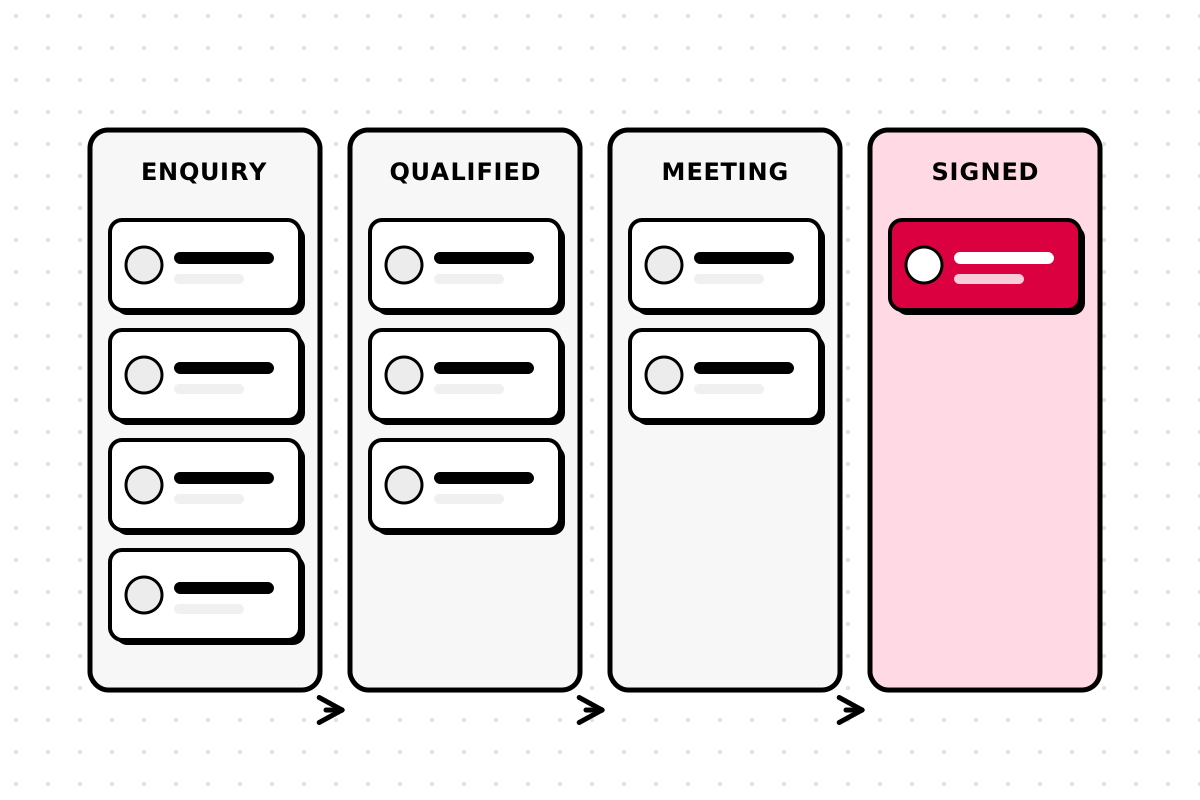
The brands that bring RTO down do four things: they confirm COD orders before dispatch, they nudge buyers towards prepaid without forcing it, they act fast on the first failed delivery, and they stop running ads and offers that attract buyers who never meant to pay.
Do not switch COD off. Make it harder to place a COD order you will never be paid for, and easier to complete one you will.
Why COD Orders Come Back
There is no official national RTO figure in India, and different reports measure different things, so treat any single number as a guide. The causes, though, are consistent. ClickPost's attribution model gives the typical share of a brand's RTOs by cause:
| Cause | Typical share of RTOs | What usually fixes it |
|---|---|---|
| Buyer refuses or will not pay on delivery | 28 to 38% | Order confirmation, prepaid nudges, better-targeted ads |
| Address failure (wrong pincode, no landmark) | 18 to 26% | Address checks at checkout and before dispatch |
| Buyer unreachable after several attempts | 14 to 20% | Fast action on the first failed delivery |
| Fake or fraudulent orders | 6 to 12% | Phone verification and repeat-refuser flags |
| Courier service failure | 5 to 10% | Choosing couriers by pincode performance |
| Cancelled after dispatch | 4 to 8% | Confirmation before the parcel leaves |
| Product not what they expected | 3 to 7% | Honest product pages and ad creative |
These ranges come from a logistics vendor's own model and do not add up to 100 percent, but they show where the money goes. Most RTOs are decided before the parcel leaves your warehouse or at the very first delivery attempt.
Before Dispatch: Confirm Every COD Order
The cheapest RTO is the one you never ship. A short confirmation step catches impulse orders, typos and fake orders while they cost you nothing.
- 1Send an automatic WhatsApp message as soon as a COD order is placed, asking the buyer to confirm with one tap.
- 2Ask for a landmark and check the pincode against the city and state at checkout, so obviously wrong addresses are fixed before dispatch.
- 3Hold unconfirmed orders for a few hours and try once more by WhatsApp or a call before you cancel or ship.
- 4Flag phone numbers and addresses with a history of refusals, and offer those buyers prepaid only.
- 5Cancel orders that never confirm. Shipping them costs freight both ways for nothing.
Reporting on Unicommerce data in April 2026 said D2C RTO rates fell from nearly 39 percent in November 2025 to around 21 percent by February 2026, and credited better delivery and better order verification. Confirmation is the part you control from day one. Our guide on WhatsApp automation flows covers how these messages are set up.
Nudge Towards Prepaid, Without Forcing It
Many buyers choose COD because they do not yet trust the brand, not because they cannot pay online. Forcing prepaid loses those sales. Making prepaid the easier and better choice wins a share of them.
- ✓Offer a small, clear benefit for paying online, such as faster dispatch or a little extra off, shown on the product page and at checkout
- ✓Offer UPI at checkout as the default, since it is quick and familiar
- ✓For high-value orders or pincodes with heavy refusals, ask for a small advance to confirm COD
- ✓Send COD buyers a payment link after confirmation, so they can switch to prepaid before the parcel arrives
- ✓Show trust signals near the payment step: real reviews, a clear return policy and a working phone number
Watch the effect on conversion rate as well as RTO. A change that cuts RTO but also cuts orders by more is not a win.
The First Failed Delivery Decides Most RTOs
When a courier cannot deliver, it raises an NDR, a non-delivery report. How quickly you act on it matters a great deal. In ClickPost's network data, 20.2 percent of orders with one NDR ended as RTO, rising to 45.5 percent after two and 88.5 percent after three or more.
- 1Get NDR alerts the same day, not in a weekly courier report.
- 2Message the buyer on WhatsApp straight away with the reason and a one-tap option to reschedule or correct the address.
- 3Pass the buyer's answer back to the courier before the next attempt.
- 4Track which couriers perform best in which pincodes, and route orders accordingly.
Faster shipping helps too. A buyer who ordered on impulse is more likely to accept a parcel that arrives in two days than one that arrives in eight.
Fix the Orders Your Ads Are Bringing In
Some RTO is created by marketing. Offers that look too good, creative that oversells the product and broad targeting all bring in buyers who order on a whim and refuse at the door.
- ✓Report RTO by campaign, ad set and creative, not only cost per order. A campaign with cheap orders and high RTO is often your most expensive one.
- ✓Send delivered orders, not just placed orders, back to Meta and Google as the conversion where you can, so the platforms learn which buyers actually pay
- ✓Make product pages and ads match reality: size, colour, ingredients and delivery time
- ✓Judge campaigns on profit after RTO, not on revenue at checkout
If you are still measuring campaigns on ROAS alone, our piece on ROAS vs POAS explains why a campaign can look profitable and lose money once returns are counted.
Measure RTO the Right Way
One blended RTO number hides where the problem is. Break it down so you know what to fix first.
| Cut RTO by | What it tells you |
|---|---|
| Payment mode (COD vs prepaid) | How much of the problem is COD-specific |
| Pincode and city | Where to ask for an advance or offer prepaid only |
| Campaign and creative | Which ads bring buyers who do not pay |
| Product and category | Where expectations and reality do not match |
| Courier | Which partner fails in which areas |
| Reason code | Whether to fix confirmation, address capture or delivery |
Each RTO costs more than the lost sale. Reporting in 2026 put the cost of a returned shipment at 1.5 to 2 times the original shipping fee, before you count packaging, blocked stock and the ad spend that brought the order in.
How Route Ignite Approaches It
We look at RTO as a marketing and store problem as much as a logistics one. On the store side, that means checkout and product page changes that make prepaid easier and set honest expectations. On the automation side, it means WhatsApp confirmation and NDR follow-up flows on the official API. On the ads side, it means reporting by delivered orders and profit, so budgets move to the campaigns that bring buyers who pay.
See our Shopify conversion optimisation work, the WhatsApp Business API setup we use for order confirmation, and performance marketing judged on profit rather than reach.
Frequently asked questions
What is RTO in ecommerce?
RTO means return to origin: an order that was shipped but came back to the seller because it could not be delivered, usually because the buyer refused it, could not be reached or the address was wrong.
Why is RTO so much higher on COD orders?
A COD buyer has not paid anything yet, so changing their mind costs them nothing. Impulse orders, fake orders and wrong addresses are all more common on COD. ClickPost's FY2026 network data put COD RTO at 37.51 percent against 5.28 percent for prepaid.
Should we stop offering cash on delivery?
Usually not. Many buyers in India still prefer COD, especially for a brand they have not bought from before. It works better to confirm COD orders, offer a reason to pay online, and limit COD only for pincodes or buyers with a history of refusals.
Does WhatsApp order confirmation really reduce RTO?
It catches impulse orders, wrong addresses and fake orders before you pay to ship them, which are among the biggest causes of RTO. Confirmation and faster delivery were the reasons given for the sharp fall in D2C RTO rates reported in 2026.
How do we stop our ads from causing RTO?
Report RTO by campaign and creative, send delivered orders back to the ad platforms as conversions where you can, and make sure your ads and product pages match what the buyer receives.